Equipment, Samples and Asset Tracking

Know what you have, where it is and who is responsible.

In many organisations, physical assets are tracked through a mix of spreadsheets, emails and manual processes. As operations grow, this makes it increasingly difficult to maintain clear visibility and control.

TranSearch provides a structured system for tracking physical assets across their lifecycle, helping organisations maintain accuracy, accountability and confidence in their operations.

TranSearch asset tracking and management

How Asset Management Typically Works Today

Asset tracking is often spread across multiple tools and informal processes rather than a single system of record.

Locations are maintained in spreadsheets. Movement is recorded inconsistently, if at all. Teams develop local workarounds based on how they operate day-to-day. Responsibility is usually assumed rather than explicitly assigned.

These approaches persist because they are familiar, not because they provide control or accuracy.

Spreadsheet-based asset tracking

Spreadsheets

Data stored in spreadsheets leads to inconsistent information and limited visibility.

Email-based asset management
Emails
Asset details and updates are shared via email, making information hard to find and track.
Paper-based asset records
Paper records
Paper-based tracking slows teams down and increases the risk of lost information.
Local asset management systems
Local systems
Multiple local systems create data silos and make reporting and oversight difficult.
Manual asset record updates
Manual updates
Changes are often recorded late or not at all, resulting in inaccurate records.
Asset ownership and accountability
Informal ownership
Responsibility is assumed, not assigned, leading to accountability gaps.
Records management processes and workflow

Replacing Manual and Fragmented Processes

  • Asset tracking often develops through spreadsheets, shared systems and informal processes.
  • Over time, this creates inconsistencies, duplication and limited visibility.
  • A structured system introduces consistency, accuracy and control across all asset activity.

See How TranSearch Works for Asset Tracking

Where Informal Processes Become Problematic

Unreliable asset location records

Asset location becomes unreliable

Records often show where an asset should be, rather than where it actually is. Over time, this creates discrepancies across teams and sites.

Asset movement and transfer tracking

Movement is not consistently captured

Transfers between locations, departments or users are not always recorded. This makes it difficult to understand how assets are moving through the organisation.

Asset ownership and accountability

Ownership is unclear or informal

Responsibility is frequently implied rather than defined. When staff change roles or teams, accountability gaps can emerge.

Asset verification and record management

Operational time is lost to verification

Teams spend time reconciling records, checking locations or confirming details across multiple sources instead of focusing on core activity.
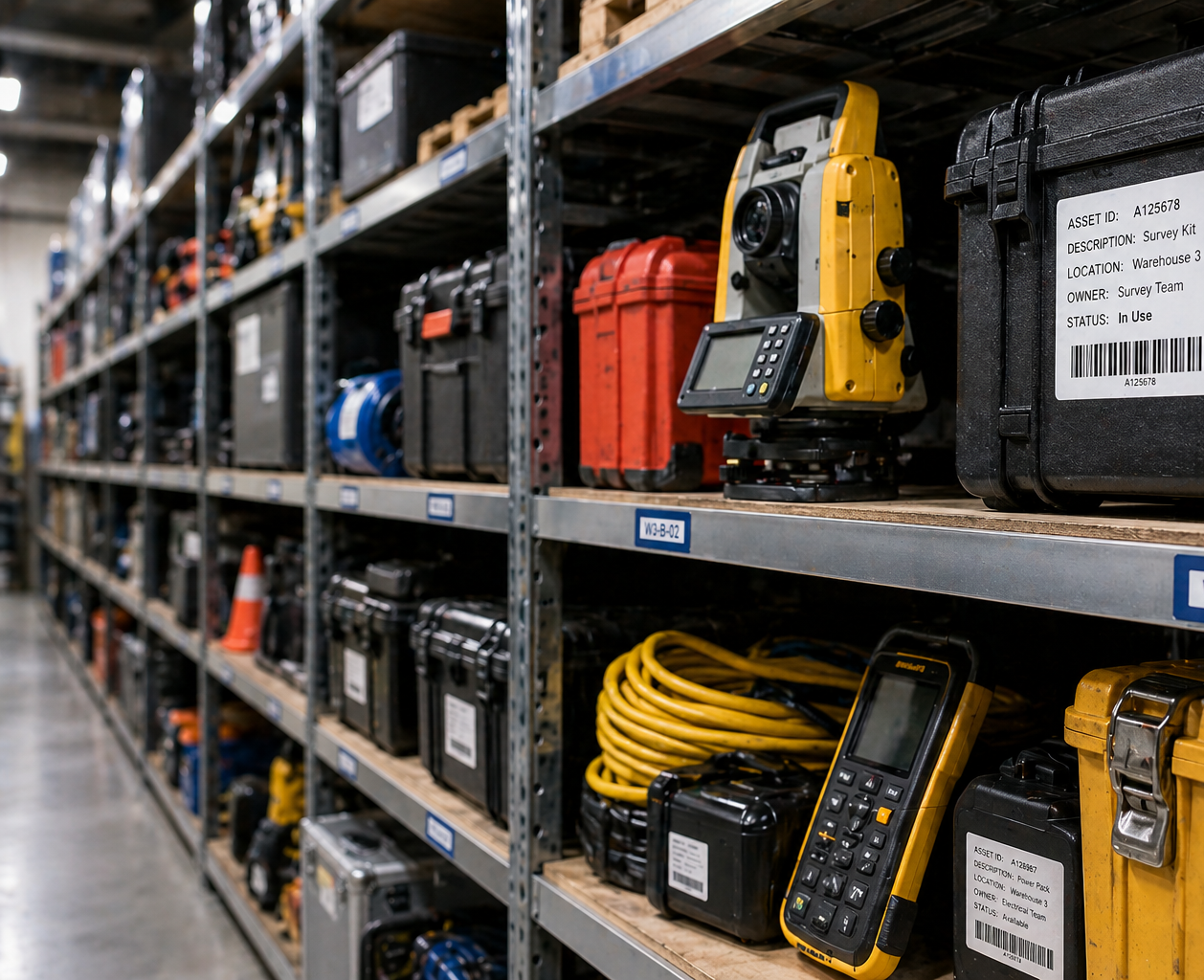
How TranSearch Supports Each Stage of the Asset Lifecycle

Select a stage to read more

Asset Lifecycle

Hover a stage to explore details

Create accurate asset records

Create

Capture accurate asset data from the start

Assign assets to people and locations

Assign

Assign assets to locations or people with confidence

Track asset movement and changes

Track

Track movement and changes in real time

Asset maintenance and performance management

Maintain

Stay on top of maintenance alerts and performance

Asset review recycling and disposal

Review

Review, recycle or dispose with full control

icon

Understand Your Current Level of Asset Control

Centralise control, improve compliance and reduce operational risk with a unified system.

Get Advice ⟶